Root Canal Therapy
Need a root canal in Tampa?
Our gentle root canal specialist provides pain-free root canal therapy to remove infection and save your natural tooth. Learn what to expect and how modern Endodontics is devoted to a virtually painless experience.

Gentle, Pain-Relieving Treatment
What Is Root Canal Therapy?
Root canal therapy is a routine, highly effective dental procedure to eliminate infection inside a tooth and relieve pain while preserving the tooth. Inside each tooth is a soft core called the dental pulp, which contains nerves and blood vessels. If that pulp becomes infected or inflamed (due to deep decay, a crack, or trauma), it can cause intense toothache and even an abscess. During a root canal, our endodontist accesses the inside of the tooth, carefully removes the diseased pulp tissue, disinfects the canal spaces, and then seals them to prevent re-infection. Finally, a filling or temporary crown is placed. Later, your general dentist will usually restore the tooth with a permanent crown for protection. Root canals remove the source of pain and infection but keep your natural tooth structure intact – so you can continue to chew comfortably and smile confidently.
Why Might You Need a Root Canal?
You might be a candidate for root canal therapy if you have:
Persistent Tooth Pain - especially deep, throbbing pain or pain that wakes you up at night.
Sensitivity to Hot/Cold - that lingers long after the stimulus is removed.
Tooth Darkening - a traumatized tooth may turn greyish, indicating nerve damage inside.
Pimple on the Gum - a gum boil or abscess near a tooth root can signal an underlying infection.
Deep Decay or Cracks - if a cavity or crack reaches the pulp, bacteria can invade and cause infection.
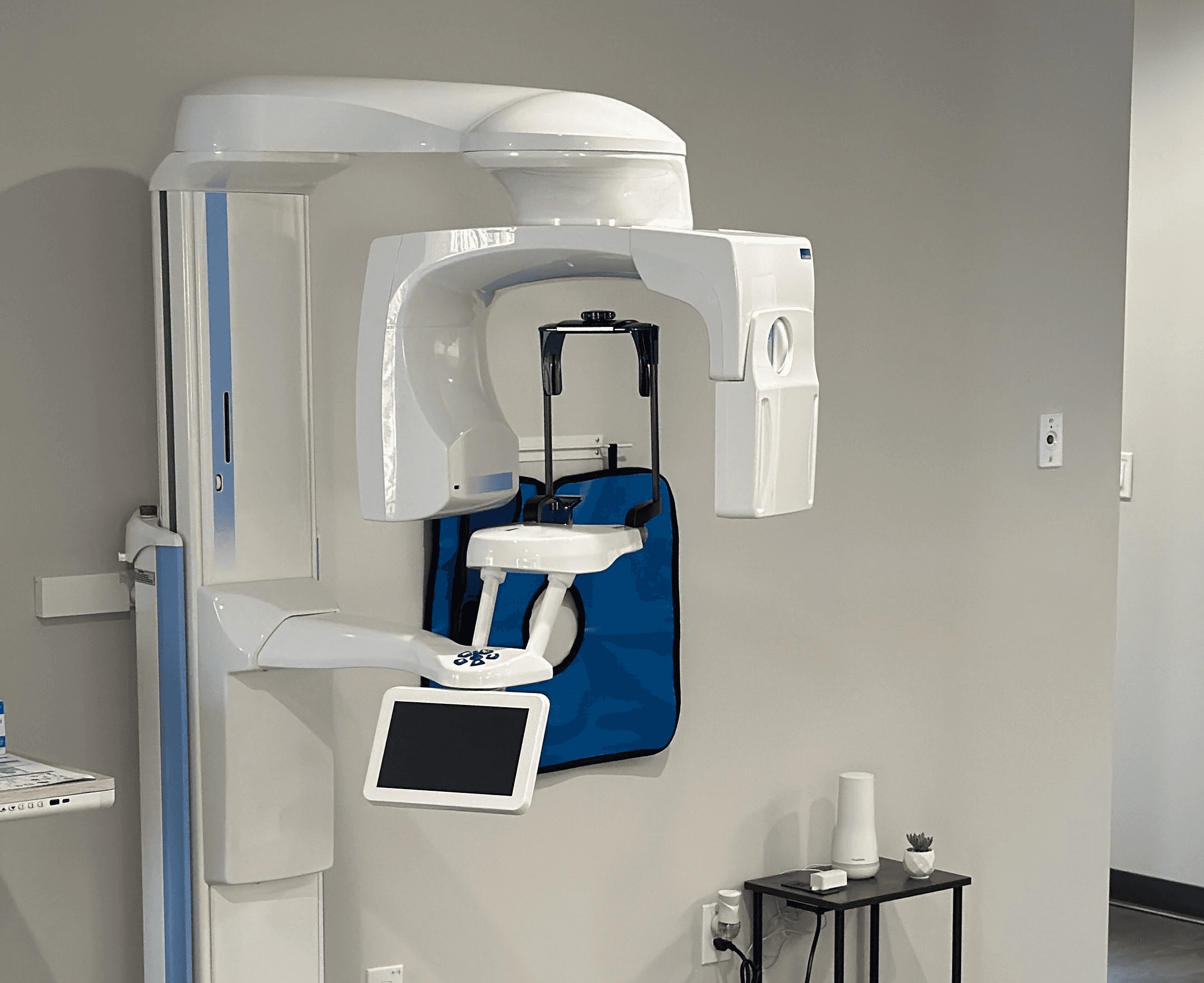
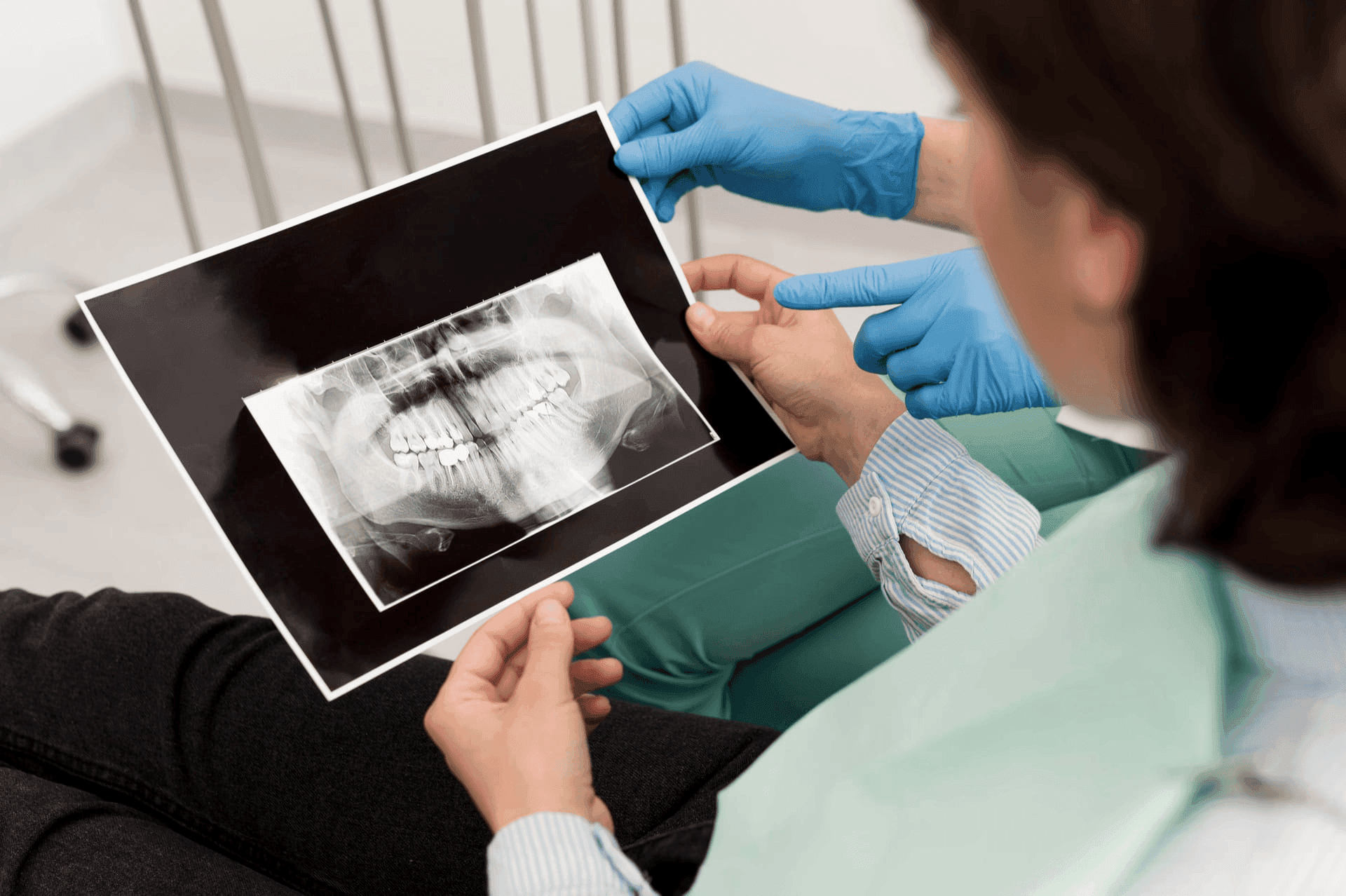
Our endodontist will diagnose with exams and X-rays to confirm if the tooth’s pulp is infected or damaged. If so, a root canal prevents the spread of infection and saves the tooth.
Remember, the goal of a root canal is to stop your pain, not cause more. It’s a much-preferred alternative to enduring a toothache or extracting the tooth.
Benefits of Root Canal Therapy
The major benefit of root canal therapy is that it ends your toothache and saves your tooth. By removing the infection, we allow your body to heal the surrounding bone and tissues. In a few weeks, it will be like the infection was never there. With a proper final restoration (crown), a root canal-treated tooth can last just as long as your other teeth, often for the rest of your life, as long as you maintain good oral hygiene and regular dental checkups.
Root canals have a success rate of about 99% or higher in our office, and they have the huge advantage of preventing tooth loss. Keeping your natural tooth helps maintain your bite alignment and jawbone health (versus an extraction which would require a bridge or implant to replace the tooth). Plus, a root canal is typically a much easier recovery than an extraction. No open wound in your gums, just cleaning inside the tooth. Most patients are pleasantly surprised at how simple it was: essentially as comfortable as getting a deep filling done.
Learn more about Root Canal Therapy:
Take the Next Step. Let's save Your Tooth!
If you suspect you need a root canal or have been told by your dentist to see a specialist, don’t delay treatment. Tooth infections can worsen if left untreated, and prompt care can save you from severe pain or complications. At Tampa Endodontics, we’re proud to offer pain-free root canal therapy that puts your comfort first. You’ll be amazed at how easy getting a root canal can be.
Call us today to schedule your consultation. We’ll evaluate your tooth and, if needed, perform the root canal to get you out of pain quickly. You can also request an appointment online. Remember, living with tooth pain is not necessary. Relief is possible, and we are here to provide it with expertise and empathy. Let us help you save your natural tooth so you can keep on smiling with confidence!
(Learn about our other specialized services like Retreatment or Apicoectomy, or visit our Patient Info section for common FAQs about root canals.)