Tooth Retreatment
Need Tooth Retreatment in Tampa?
Give your Tooth a second Chance. Our Tampa endodontist offers expert endodontic retreatment. We re-open the tooth, remove infection, and painlessly seal it properly. Learn when retreatment is needed and what to expect.
Giving Your Tooth a Second Chance
What Is Endodontic Retreatment?
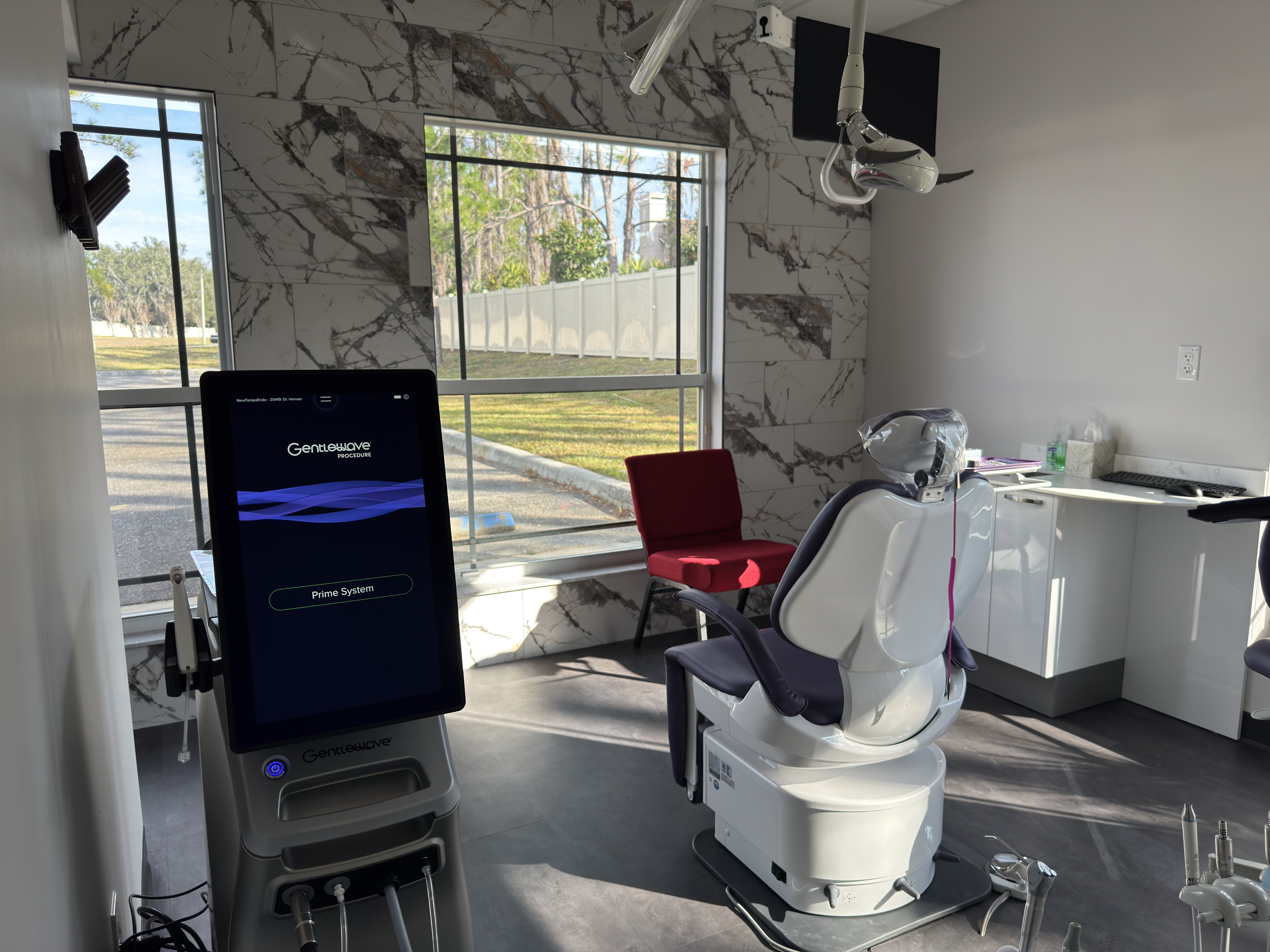
Endodontic retreatment is essentially a “do-over” root canal procedure on a tooth that has previously had a root canal. While root canal therapy has a very high success rate, there are times when a tooth doesn’t heal as expected or develops a new problem months or years after the initial treatment. Retreatment involves re-opening the tooth, cleaning out the canals again (removing any new or residual infection), and re-sealing the tooth to encourage proper healing. Our endodontist performs retreatments using advanced techniques and tools that if done at another office, may not have been available during the original procedure, greatly increasing the chance of success. The goal is to save your tooth and alleviate any recurring pain or infection, avoiding the need for extraction.
Why Might a Tooth Need Retreatment?
There are a few scenarios where a tooth that had a root canal might require retreatment:
Incomplete Cleaning or Complex Anatomy: Root canal systems can be very intricate, with tiny accessory canals. If a canal was missed or not thoroughly cleaned/filled in the first procedure (perhaps due to curved or hidden canals), bacteria can linger and eventually cause reinfection. This is no one’s “fault”, sometimes canals are extremely challenging to navigate without the specialized microscopes or 3D imaging we have today. With retreatment, we can now address those missed areas with better visibility.
New Decay or Leakage: If a new cavity forms on the tooth or if the filling/crown that was sealing the root canal leaks or cracks, bacteria can re-enter the tooth. This can infect the previously treated canals. Even years after a successful root canal, a compromised restoration can lead to contamination. Retreatment will clean out the new infection and allow for a fresh, secure seal.
Delayed Crown Placement: After a root canal, the tooth needs a permanent restoration (usually a crown) promptly. If there was a significant delay in getting that crown, saliva and bacteria could have seeped back into the tooth despite the root canal. That contamination can cause the tooth to flare up. Retreatment clears out any bacteria that entered during the gap period and reseals the canals.
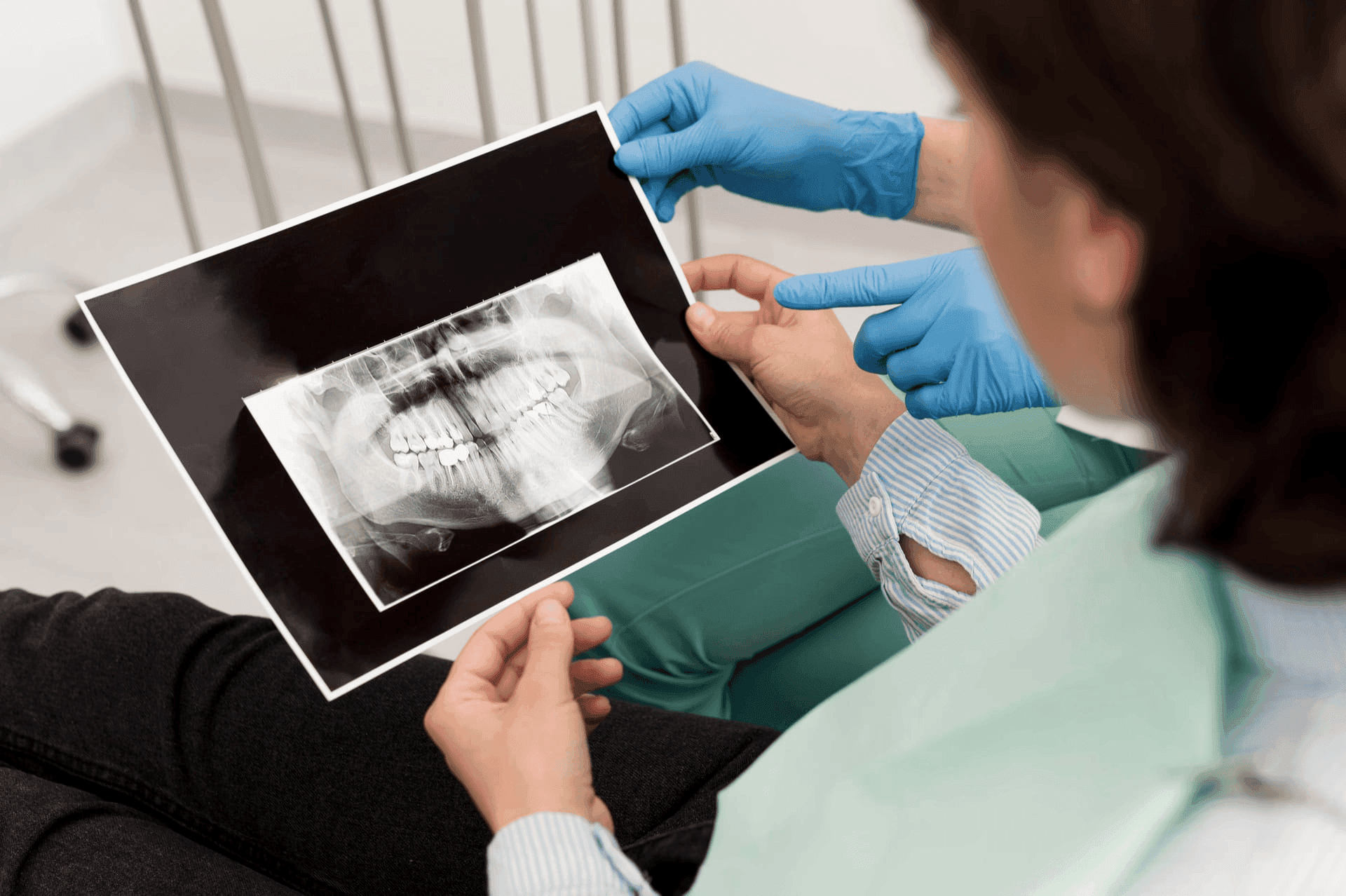
Persistent Infection: In some cases, despite a technically well-done root canal, a tooth may harbor a resistant strain of bacteria or have an underlying crack that continues to irritate the area. You might experience ongoing symptoms (pain or gum swelling) or your dentist might spot a persistent or growing dark area on the X-ray at the root tip, indicating the bone isn’t healing. These are indicators for retreatment.
New Fracture or Trauma: If the tooth suffers a fracture or new trauma after the root canal, it could jeopardize the seal of the canals or create a pathway for bacteria.
Learn more about Retreatment:
Let's get to work. Schedule an Evaluation Today!
If you have a persistent issue with a tooth that’s had a root canal, don’t give up on it without exploring retreatment. As an endodontic specialist, Dr. Hamad is skilled in assessing these situations and can tell you honestly if retreatment is a viable solution.
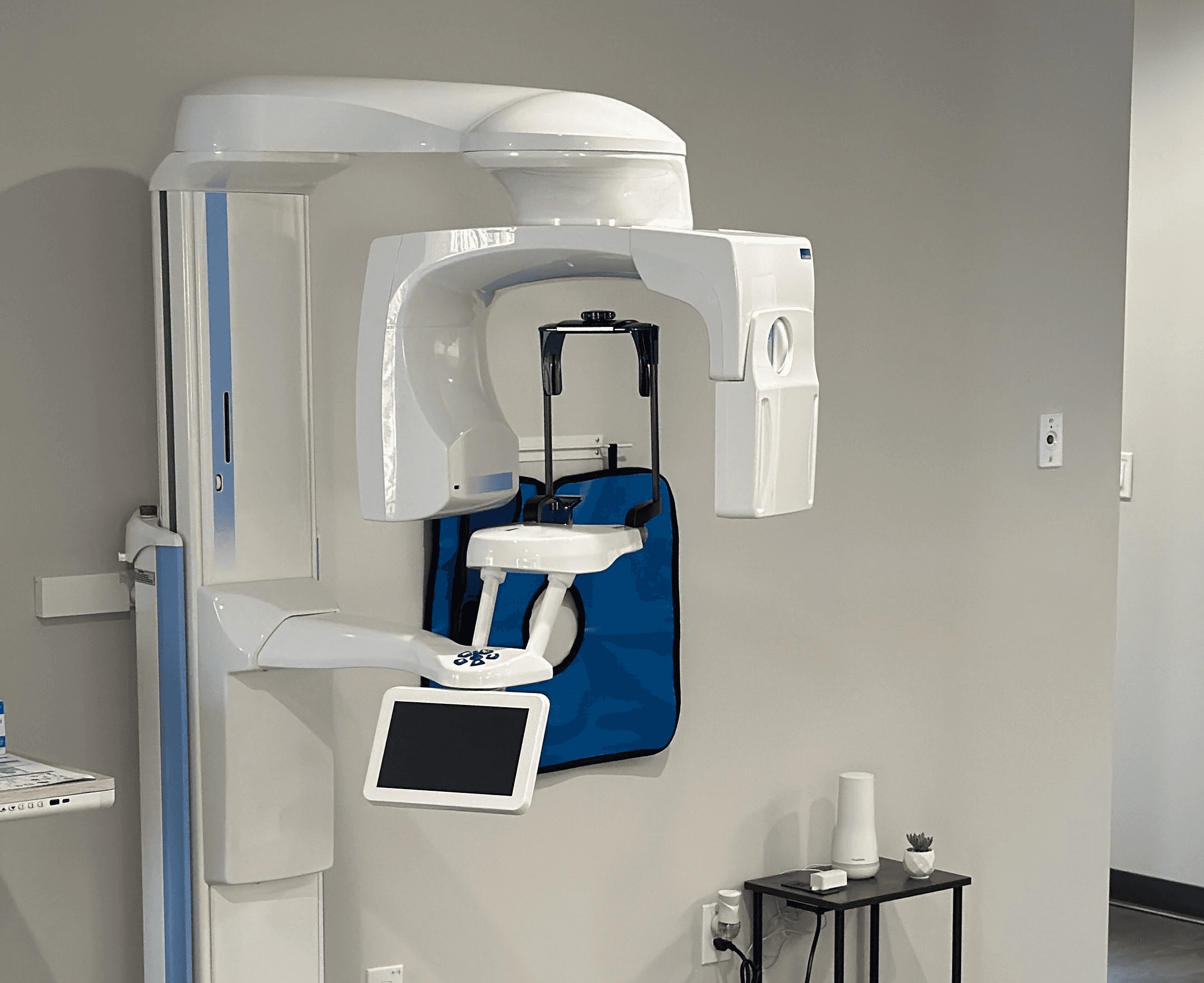
We’ll use our 3D imaging and expertise to give you a clear answer and treatment plan. Our team will also discuss the costs and insurance aspects with you. We participate in many plans (including DHA networks), retreatment can be surprisingly affordable. Don’t let a failed root canal make you lose hope. Your natural tooth deserves a second chance, and we’re the specialists who can provide it with precision and care. Book your appointment and let us help extend the life of your smile!
(Curious about other services? Learn about Apicoectomy for cases where surgery is needed, or visit our Blog for tips on avoiding root canal problems.)